


Wellness Tech: The Future of Active Lifestyle Management
The convergence of technology and personal health has created a thriving ecosystem where digital innovation meets physical well-being. As we navigate through 2026, wellness tech has evolved from simple step counters to sophisticated systems that monitor, analyze, and optimize every aspect of our daily routines. This transformation affects not just how we track our fitness goals, but how we approach recovery, sleep quality, and overall lifestyle management. The modern consumer expects their technology to seamlessly integrate with their wellness journey, creating opportunities for brands that understand this synergy.
The Evolution of Wellness Technology
Wellness tech has undergone remarkable transformation over the past decade. What began as basic pedometers and heart rate monitors has expanded into comprehensive health ecosystems that track everything from sleep patterns to stress levels. The touchless wellness initiatives emerging in 2026 represent the next frontier, where ambient environments and intelligent systems support well-being without constant manual intervention.
Today's wellness technology encompasses multiple categories:
- Wearable fitness trackers that monitor biometric data continuously
- Smart recovery devices including massage tools and muscle stimulators
- Sleep optimization systems combining audio technology with environmental controls
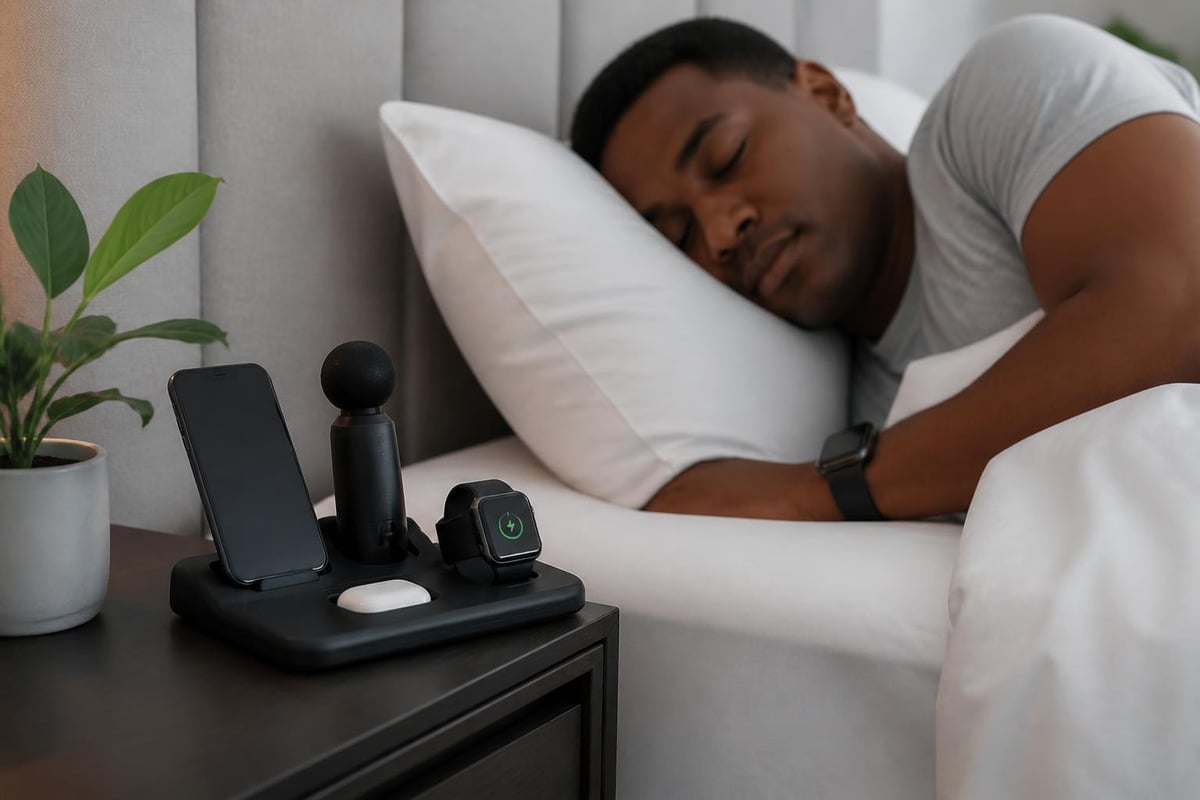
- Charging infrastructure that keeps wellness devices powered throughout the day
- Connected accessories that enhance portability and functionality
The shift toward hyper-personalization distinguishes modern wellness tech from its predecessors. Devices no longer simply collect data; they analyze patterns, predict needs, and provide actionable recommendations tailored to individual users.
The Role of AI and Automation
Artificial intelligence has become the backbone of effective wellness technology. The role of technology in wellness has expanded significantly as AI-powered systems automate health decisions and simplify daily management. These intelligent platforms learn from user behavior, adjusting recommendations based on activity patterns, recovery needs, and performance goals.
Machine learning algorithms now power features such as adaptive workout planning, recovery optimization, and sleep quality enhancement. The technology recognizes when users need additional rest, suggests optimal timing for intense training sessions, and identifies patterns that might indicate developing health concerns.
Essential Wellness Tech Categories for Active Lifestyles
Audio Technology and Mental Focus
Wireless audio devices have become indispensable wellness tools, serving purposes far beyond entertainment. Quality wireless earbuds enable focused workouts, guided meditation sessions, and distraction-free work periods. Advanced noise cancellation creates acoustic environments that support concentration and stress reduction.
The integration of biometric sensors into audio devices represents a growing trend. Heart rate monitoring through ear-based sensors provides accurate data without the discomfort of chest straps, while adaptive sound profiles adjust based on ambient noise and user preferences.
| Audio Feature | Wellness Benefit | Use Case |
|---|---|---|
| Active Noise Cancellation | Stress reduction | Meditation, focus work |
| Ambient Sound Mode | Safety awareness | Outdoor running, cycling |
| Biometric Monitoring | Fitness tracking | Cardio workouts, training |
| Adaptive EQ | Hearing protection | Extended listening sessions |
Recovery and Relief Technologies
Professional athletes and fitness enthusiasts have long understood that recovery determines performance. Modern wellness tech brings professional-grade recovery tools to everyday users. Portable muscle stimulators, percussion massagers, and targeted relief devices accelerate recovery and reduce injury risk.
The recovery and relief category has expanded dramatically, offering solutions for different recovery needs. Electrical muscle stimulation devices provide targeted therapy, while portable massage tools deliver deep tissue relief anywhere. These technologies reduce dependence on professional services while maintaining therapeutic effectiveness.
Key recovery technology features include:
- Multi-mode intensity settings for customized treatment
- Rechargeable battery systems for portability
- Ergonomic designs targeting specific muscle groups
- Heat therapy integration for enhanced effectiveness
Sleep Optimization Systems
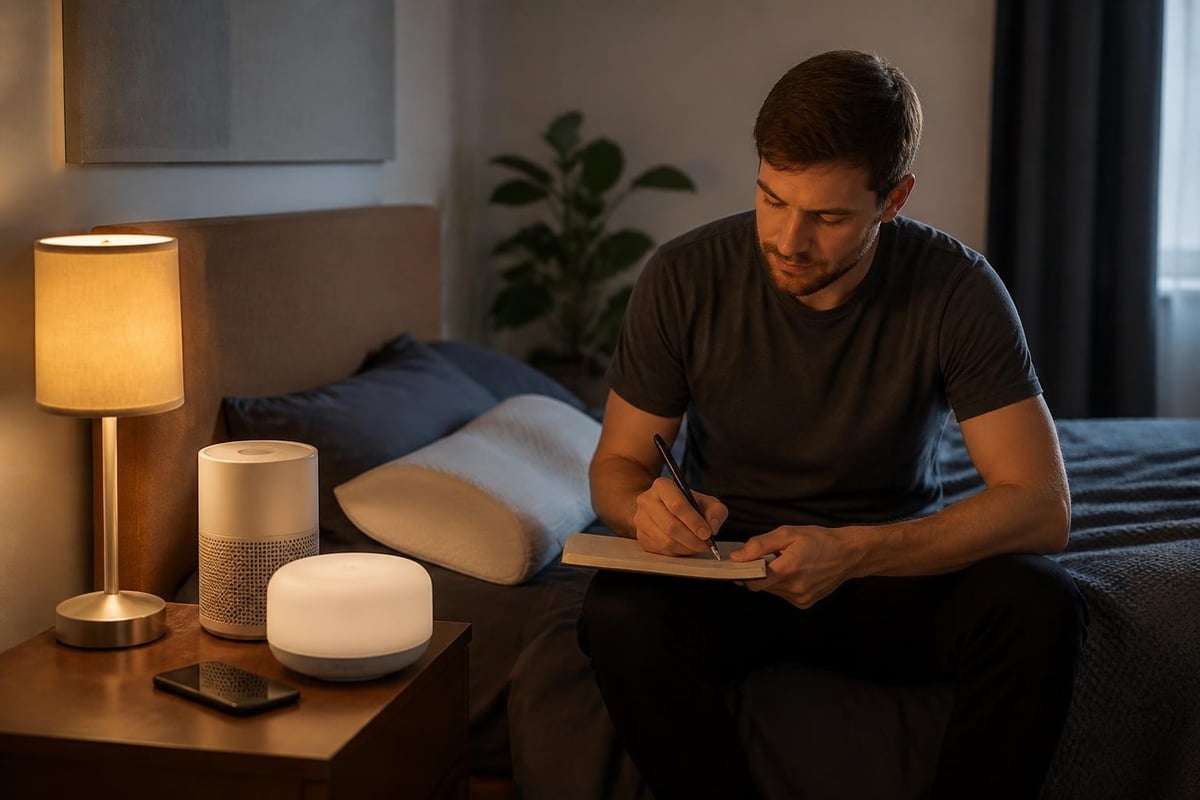
Sleep quality directly impacts wellness outcomes, making sleep technology a critical component of any health regimen. The latest innovations in sleep and focus technology combine multiple approaches: soundproofing, white noise generation, light blocking, and even gentle audio content designed to facilitate rest.
Smart sleep masks with integrated audio capabilities represent the convergence of multiple wellness technologies. These devices block ambient light while delivering calming soundscapes or guided meditation content, creating optimal conditions for restorative sleep. Temperature regulation features further enhance comfort, addressing one of the most common sleep disruption factors.
Infrastructure Supporting Wellness Technology
Charging Solutions for Continuous Performance
The most sophisticated wellness technology becomes useless when battery capacity runs out. Reliable charging infrastructure ensures wellness devices remain functional throughout demanding schedules. Fast-charging capabilities, wireless charging pads, and portable power banks have become essential accessories for active individuals.
Modern charging solutions address multiple device types simultaneously. Multi-port chargers accommodate smartphones, wireless earbuds, fitness trackers, and recovery devices from a single power source. Wireless charging technology eliminates cable clutter while maintaining rapid charging speeds.
Advanced charging features that support wellness tech:
- Power Delivery (PD) protocols enabling rapid charging for compatible devices
- Wireless charging standards supporting multiple device types
- Intelligent power distribution preventing overcharging and heat damage
- Portable high-capacity batteries providing extended use during travel
- Vehicle charging adapters maintaining power during commutes
Portable Wellness Solutions
Mobility defines modern lifestyles, requiring wellness technology that travels efficiently. Active on-the-go solutions include specialized carrying systems, compact device designs, and durable construction that withstands daily wear. Gym bags with dedicated compartments for electronics, water bottles with filtration systems, and compact exercise equipment enable wellness practices regardless of location.
The portability factor influences purchasing decisions significantly. Consumers prioritize devices offering professional-grade functionality in compact form factors. Foldable designs, lightweight materials, and protective cases extend the usability of wellness technology across diverse environments.
Market Trends Shaping Wellness Technology
Hyper-Personalization and Data Integration
The wellness tech market has shifted from one-size-fits-all solutions toward deeply personalized experiences. Wellness platform trends for 2026 emphasize hyper-personalized wellness journeys that integrate data from multiple sources. Wearables communicate with smartphone apps, which connect to smart home systems, creating comprehensive wellness ecosystems.
This integration enables sophisticated analysis. Sleep data informs workout intensity recommendations, recovery metrics adjust training schedules, and nutrition tracking influences supplement suggestions. The holistic approach recognizes that wellness components interact rather than operate independently.
Medical-Grade Features in Consumer Devices
The boundary between consumer wellness devices and medical equipment continues blurring. Breakthroughs showcased at CES 2026 demonstrate how consumer-accessible devices now incorporate features previously limited to clinical settings. AI-driven diagnostics, advanced biometric monitoring, and predictive health analytics bring medical-grade insights to everyday users.
However, this advancement raises important regulatory considerations. Research on wearable health technology regulation highlights the need for frameworks ensuring safety and equitable access. Consumers benefit from understanding which device claims have clinical validation and which remain in experimental stages.
| Device Category | Consumer Grade | Medical Grade | Key Difference |
|---|---|---|---|
| Heart Rate Monitoring | General fitness tracking | Arrhythmia detection | FDA clearance, clinical validation |
| Sleep Analysis | Pattern recognition | Sleep disorder diagnosis | Medical professional interpretation |
| Body Composition | Estimated metrics | Precise measurements | Calibration standards, accuracy levels |
| Stress Monitoring | General indicators | Clinical assessment tools | Diagnostic criteria, professional oversight |
Sustainable and Ethical Technology
Environmental consciousness influences wellness tech development increasingly. Consumers seek products manufactured using sustainable materials, featuring repairable designs, and produced through ethical labor practices. Battery technology improvements extend device lifespan, reducing electronic waste. Modular designs enable component replacement rather than complete device disposal.
The sustainability trend extends to packaging and shipping. Minimal packaging, recyclable materials, and carbon-neutral shipping options appeal to environmentally conscious consumers who view sustainability as integral to overall wellness.

Choosing Wellness Technology for Your Lifestyle
Assessing Personal Wellness Priorities
Effective wellness tech selection begins with honest self-assessment. Different individuals prioritize different aspects of health and performance. Athletes may emphasize recovery tools and performance tracking, while professionals managing stress might prioritize sleep optimization and focus enhancement.
Consider these evaluation criteria:
- Primary wellness goals (fitness, recovery, sleep, stress management)
- Current pain points in your wellness routine
- Technology comfort level and learning curve tolerance
- Budget allocation across multiple device categories
- Integration requirements with existing devices and platforms
Understanding Device Abandonment Factors
Research on wearable device abandonment reveals that many users discontinue wellness technology within months of purchase. Understanding these behavioral factors helps make sustainable choices. Devices requiring excessive manual input, providing unclear value, or creating notification fatigue face higher abandonment rates.
Successful long-term adoption requires realistic expectations and gradual integration. Starting with one or two core devices allows habit formation before expanding to comprehensive systems. Choose technologies that automate data collection and provide clear, actionable insights rather than overwhelming raw data.
Quality Versus Quantity in Wellness Technology
The wellness tech market offers countless options across wide price ranges. Quality construction, reliable performance, and responsive customer support justify premium pricing for devices used daily. Expert predictions for wearable wellness technology through 2035 suggest that device longevity and ecosystem compatibility will increasingly influence purchasing decisions.
Quality indicators in wellness technology:
- Established brand reputation with verified customer reviews
- Comprehensive warranty coverage and return policies
- Regular firmware updates addressing bugs and adding features
- Responsive customer support for troubleshooting
- Third-party testing and certification where applicable
Implementing Wellness Technology Effectively
Creating Integrated Wellness Systems
Isolated devices provide limited value compared to integrated systems. A comprehensive approach might combine wireless earbuds for workout motivation, a massage device for post-exercise recovery, a sleep mask for rest optimization, and reliable charging infrastructure supporting all components. The newest arrivals in wellness technology often feature enhanced compatibility with existing systems.
Integration extends beyond physical devices to software platforms. Wellness apps that aggregate data from multiple sources provide clearer insights than fragmented information across separate applications. Look for devices supporting popular health platforms and offering open API access for future flexibility.
Establishing Sustainable Wellness Routines
Technology supports wellness; it doesn't create it automatically. Establishing routines that incorporate wellness tech naturally increases long-term success. Morning routines might include sleep data review, workout sessions with wireless audio, and recovery tool usage. Evening routines could emphasize relaxation technology and sleep preparation.
The science-backed wellness trends for 2026 emphasize personalized approaches over generic recommendations. Wellness technology enables this personalization by tracking individual responses and adjusting protocols accordingly. What works for one person may not suit another, making personalized data invaluable.
Balancing Technology and Mindfulness
While wellness tech provides powerful capabilities, over-reliance on devices can create dependency and anxiety. Balancing technological assistance with intuitive body awareness produces optimal results. Use devices to identify patterns and track progress, but develop the ability to recognize fatigue, stress, and recovery needs without constant monitoring.
Strategies for healthy tech-wellness balance:
- Designate device-free periods for complete mental rest
- Use technology for specific goals rather than constant monitoring
- Regularly assess whether devices serve or stress you
- Practice listening to physical signals independent of data
- Celebrate progress measured by feeling, not just metrics
Workplace Wellness Technology Integration
Digital Eye Strain and Screen Wellness
For professionals spending extensive time with digital displays, human-centric display technologies have become critical wellness tools. Blue light filtering, adaptive brightness, and ergonomic positioning reduce eye strain and support circadian rhythm regulation. Workplace wellness extends to the accessories supporting productivity without compromising health.
Wireless audio technology enables focused work periods without the isolation of complete silence. Ambient sound modes maintain situational awareness during office hours while noise cancellation supports deep concentration when needed. The flexibility supports various work styles and environmental conditions.
Movement and Posture Support
Sedentary work environments create significant wellness challenges. Posture correction devices, movement reminders integrated with fitness trackers, and ergonomic accessories counteract prolonged sitting effects. Standing desk converters, balance boards, and resistance bands enable movement integration throughout workdays.
Technology that encourages regular movement breaks, tracks sitting duration, and provides posture feedback helps prevent the chronic issues associated with desk work. These interventions prove more effective than attempting to correct problems after they develop.
Investment Considerations and Value Assessment
Total Cost of Ownership
Evaluating wellness technology requires examining total ownership costs beyond initial purchase prices. Battery replacement expenses, subscription fees for advanced features, accessory costs, and potential upgrade cycles affect long-term value. Devices offering extended battery life, free software updates, and durable construction provide better long-term value despite higher upfront costs.
Consider the cost-per-use metric when evaluating devices. A premium massage device used daily for years delivers better value than an inexpensive model requiring replacement after months. Current sales and promotions can make quality wellness technology more accessible while maintaining performance standards.
Return on Wellness Investment
Wellness technology investments should generate measurable returns through improved performance, reduced healthcare costs, enhanced productivity, or increased quality of life. Track specific metrics before and after implementing new technologies to assess effectiveness objectively.
The return manifests differently for each individual. Better sleep might improve work performance and mood. Enhanced recovery could enable more consistent training and faster progress. Stress reduction tools might decrease medical visits and improve relationships. Define personal success metrics aligned with your specific wellness goals.
Wellness tech continues evolving rapidly, offering unprecedented opportunities for individuals committed to optimizing their health and performance through intelligent technology integration. The key lies in selecting quality devices that align with personal wellness priorities while creating sustainable routines that balance technological assistance with mindful body awareness. Whether you're seeking enhanced recovery tools, sleep optimization systems, or reliable charging solutions to power your wellness journey, e-MarketBay provides carefully curated premium technology designed for active lifestyles, ensuring you have access to the performance and quality needed to achieve your wellness goals.