


Smart Fitness Equipment: Features, Benefits & Buying Guide
The fitness industry has undergone a dramatic transformation over the past decade, with smart fitness equipment emerging as a cornerstone of modern wellness routines. These connected devices combine traditional exercise machinery with advanced sensors, real-time data tracking, and interactive coaching features that fundamentally change how people approach their fitness goals. As we move through 2026, the integration of technology into workout equipment has become not just a luxury but an expected standard for anyone serious about optimizing their training, whether at home or in commercial gym settings.
What Defines Smart Fitness Equipment
Smart fitness equipment encompasses any exercise device that integrates digital sensors, wireless connectivity, and data-processing capabilities to enhance the workout experience. Unlike conventional equipment, these connected systems capture performance metrics such as heart rate, power output, repetitions, form quality, and caloric expenditure in real time.
The defining characteristic extends beyond simple tracking. Modern smart fitness equipment creates ecosystems where hardware, software, and user data converge to deliver personalized experiences. Most devices connect to smartphone apps or proprietary platforms that store workout history, suggest training programs, and enable virtual competition with other users.
Core Technologies That Power Smart Equipment
Several key technologies enable the "smart" functionality in today's fitness devices:
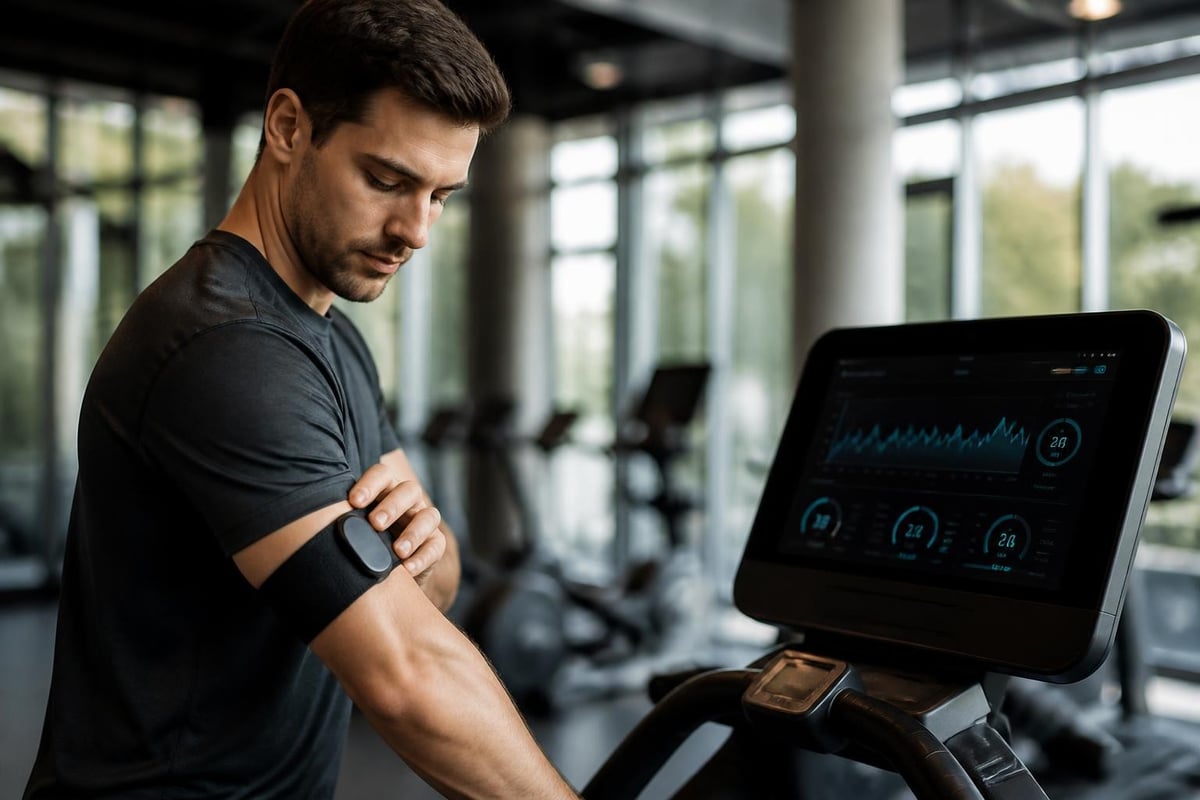
- Biometric sensors that monitor heart rate, blood oxygen levels, and sometimes even muscle activation patterns
- Accelerometers and gyroscopes that track movement speed, range of motion, and exercise form
- Bluetooth and Wi-Fi connectivity for real-time data transmission to apps and cloud platforms
- Artificial intelligence algorithms that analyze performance data and adapt workout recommendations
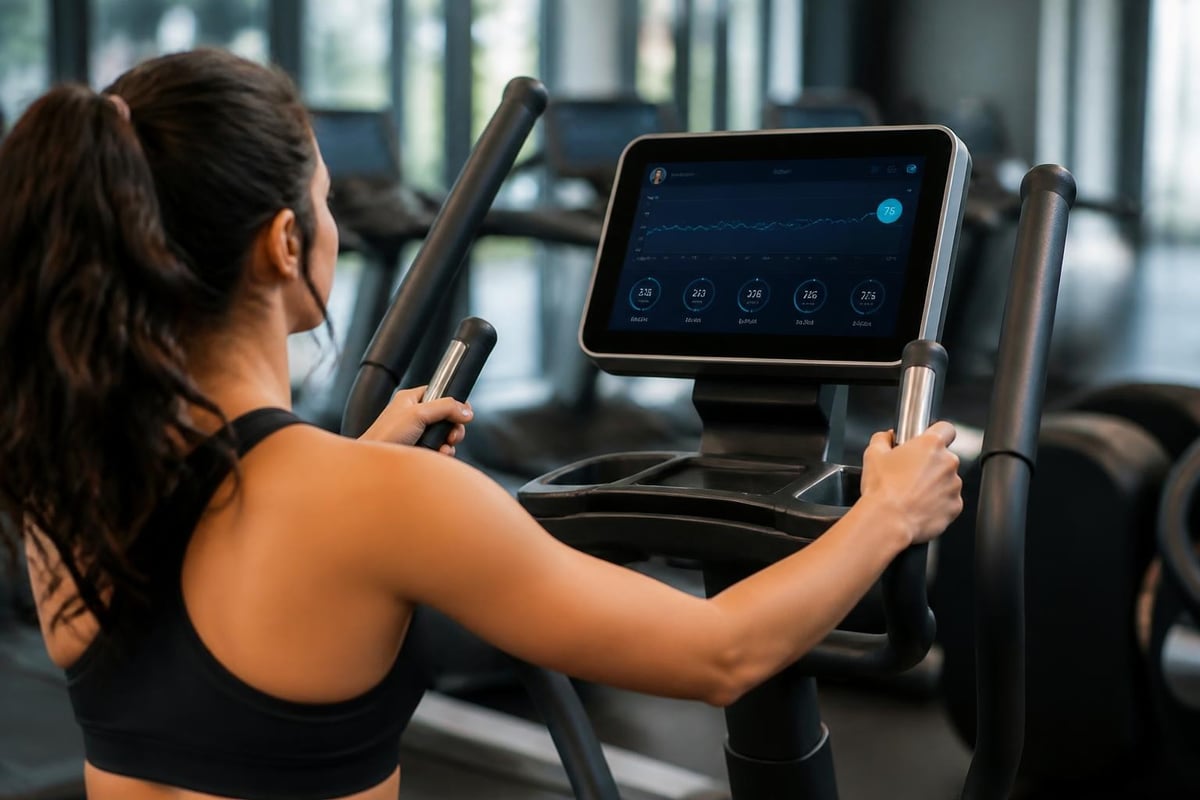
- Touchscreen displays that provide interactive coaching and entertainment during sessions
Wearable sensors have advanced significantly, allowing for more accurate measurement of physiological responses during exercise. These technological improvements directly translate to better feedback for users attempting to optimize their training intensity and recovery protocols.
Categories of Smart Fitness Equipment
The market for connected exercise devices has expanded dramatically, now covering virtually every training modality. Understanding the different categories helps consumers identify which solutions best match their fitness goals and available space.
Cardio Equipment With Intelligence
Smart treadmills, stationary bikes, rowing machines, and ellipticals represent the largest segment of connected fitness equipment. These devices go far beyond simply counting steps or monitoring speed.
Modern smart cardio equipment offers:
- Automatic resistance adjustment based on heart rate zones or virtual terrain
- Live and on-demand classes led by professional instructors
- Virtual route simulation that replicates real-world cycling or running courses
- Multiplayer competition modes for motivation and accountability
- Integration with fitness apps like Strava, Apple Health, and Google Fit
Consumer Reports testing consistently shows that durability and accuracy remain critical factors alongside smart features when evaluating these products for long-term home use.
Strength Training Systems
Smart strength equipment has evolved from basic rep counters to sophisticated systems that provide form feedback and progressive overload programming. Cable machines, adjustable dumbbells, and resistance trainers now frequently include digital integration.
| Equipment Type | Smart Features | Primary Benefits |
|---|---|---|
| Connected cable systems | Force measurement, movement tracking | Precise load monitoring, form analysis |
| Digital dumbbells | Weight selection via app, rep counting | Space efficiency, automatic progression |
| Smart resistance bands | Tension sensors, exercise library | Portable tracking, guided workouts |
| AI-powered mirrors | Motion capture, form correction | Real-time coaching, space-saving design |
These systems particularly benefit individuals training without professional supervision, as the technology provides guidance that traditionally required a personal trainer.
Recovery and Mobility Tools
The category of smart fitness equipment now extends to recovery devices that monitor muscle recovery status and guide rehabilitation protocols. Foam rollers with pressure sensors, massage guns with usage tracking, and vibration platforms with programmed routines all fall into this emerging category.
For users already familiar with recovery equipment basics, smart versions add the ability to track recovery patterns over time and correlate them with training load, potentially preventing overtraining injuries.
Key Benefits That Drive Adoption
The rapid growth of smart fitness equipment reflects genuine advantages that traditional equipment cannot provide. These benefits extend across multiple dimensions of the fitness experience.
Personalization at Scale
Perhaps the most significant advantage is the ability to deliver personalized workout experiences without requiring one-on-one coaching. Smart equipment analyzes individual performance data and automatically adjusts difficulty, suggests appropriate exercises, and tracks progress toward specific goals.
This personalization responds dynamically to each session. If your heart rate recovery indicates fatigue, the system might recommend a lighter workout. If you're consistently exceeding targets, progressive overload principles can be automatically applied.
Motivation Through Gamification
Smart fitness equipment leverages game mechanics to increase adherence to workout routines. Leaderboards, achievement badges, streak tracking, and social sharing features tap into psychological motivators that keep users engaged over longer periods.
Research shows that social accountability significantly impacts exercise adherence. Connected equipment that enables virtual group workouts or friendly competition addresses one of the biggest challenges in home fitness: isolation and lack of motivation.
Data-Driven Optimization
The comprehensive data collection capabilities enable users to identify patterns and optimize their training approaches. Tracking metrics across weeks and months reveals:
- Which workout types produce the best results for specific goals
- Optimal training frequency based on recovery patterns
- Correlation between sleep quality, nutrition, and performance
- Early warning signs of overtraining or injury risk
For those serious about measurable fitness improvements, this data represents a significant advantage over guesswork-based training approaches.
Privacy and Security Considerations
The connectivity that makes fitness equipment "smart" also creates potential vulnerabilities and privacy concerns that users should understand before purchase.
Data Collection and Usage
Smart fitness equipment collects extensive personal information including biometric data, workout habits, location (in some cases), and potentially video or audio recordings. Understanding how manufacturers store, use, and share this data is essential.
Key questions to ask before purchasing:
- Where is my workout data stored (locally, cloud, or both)?
- Who has access to my performance metrics and health information?
- Can I delete my data permanently if I stop using the service?
- Is my information sold to third parties for marketing purposes?
- What security measures protect my data from breaches?
The Federal Trade Commission provides guidance on health privacy expectations and enforcement actions, which can help consumers understand their rights regarding data collected by smart fitness equipment.
Cybersecurity Vulnerabilities
Connected devices create potential entry points for network intrusions. Security researchers have demonstrated that certain smart gym equipment can be exploited to access broader network systems, raising concerns for both home users and commercial facilities.
Best practices for securing smart fitness equipment include:
- Changing default passwords immediately after setup
- Keeping firmware updated with latest security patches
- Using separate network segments for IoT devices when possible
- Disabling features you don't actively use (cameras, microphones)
- Reviewing app permissions and restricting unnecessary access
Market Trends Shaping the Industry
The smart fitness equipment market continues to evolve rapidly, driven by technological advances and changing consumer expectations. Understanding current trends helps inform purchasing decisions that will remain relevant in coming years.
Subscription Models and Content Ecosystems
Most premium smart fitness equipment now requires ongoing subscription fees to access full functionality. These subscriptions fund content creation, platform maintenance, and feature development. The shift from one-time hardware purchases to recurring revenue models has fundamentally changed the industry economics.
This model benefits consumers through continuous content updates and feature additions but creates long-term cost considerations. A $2,000 smart bike with a $40 monthly subscription costs $2,480 in the first year alone and $4,760 over five years.
AI-Powered Personalization
Artificial intelligence capabilities in smart fitness equipment have advanced substantially. Modern systems can now:
- Analyze exercise form through computer vision and provide real-time corrections
- Predict optimal rest days based on accumulated fatigue markers
- Automatically generate periodized training programs adapted to individual response patterns
- Recognize early signs of injury risk and suggest preventive interventions
Research on IoT-based exercise systems demonstrates that personalized, adaptive training programs delivered through smart equipment can produce superior outcomes compared to static workout plans, particularly for specific populations like older adults.
Integration With Broader Health Ecosystems
Smart fitness equipment increasingly integrates with comprehensive health platforms that combine exercise data with sleep tracking, nutrition logging, stress monitoring, and medical health records. This holistic approach provides more complete pictures of overall wellness rather than isolated fitness metrics.
For users of active lifestyle tech products, this integration means workout data from smart equipment can sync seamlessly with data from wireless earbuds, smartwatches, and other connected devices to create unified activity profiles.
Choosing the Right Smart Equipment
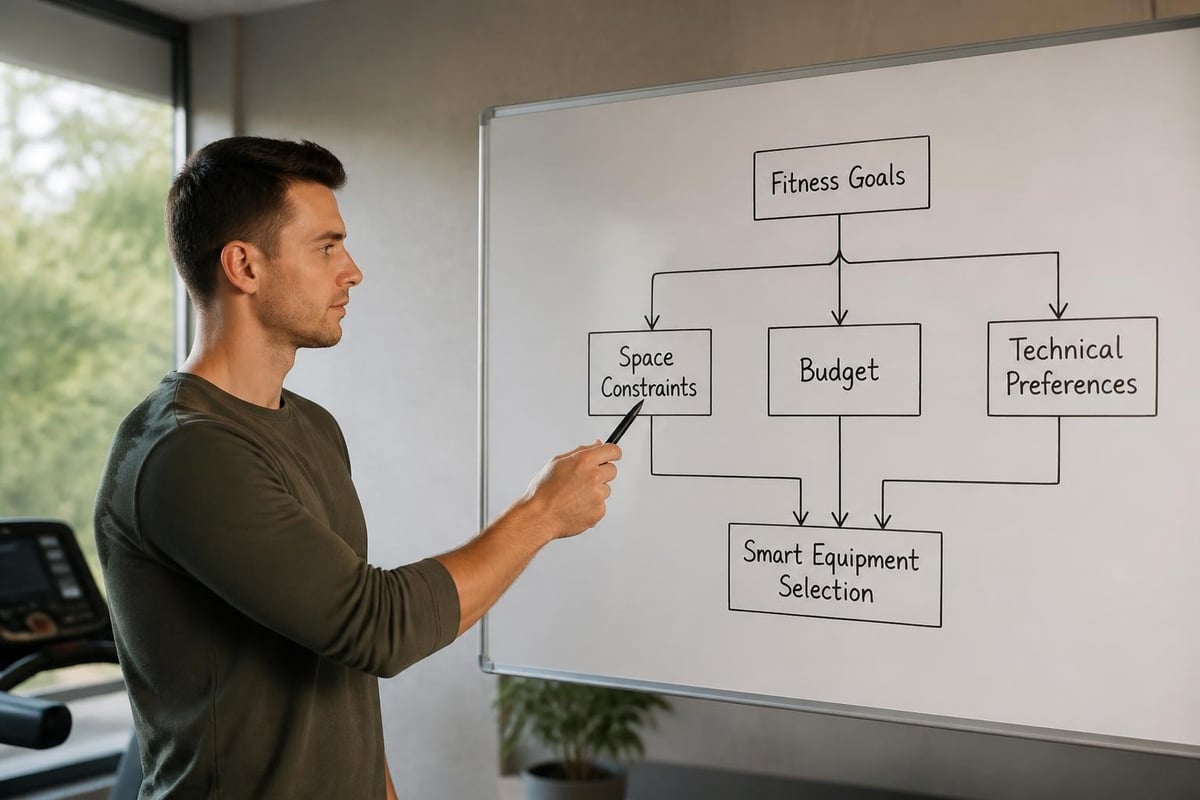
Selecting appropriate smart fitness equipment requires balancing multiple factors including fitness goals, available space, budget constraints, and technology preferences.
Matching Equipment to Goals
Different smart fitness equipment serves distinct training objectives:
| Primary Goal | Recommended Equipment | Key Features to Prioritize |
|---|---|---|
| Cardiovascular endurance | Smart bike, treadmill, rower | Heart rate training zones, interval programming |
| Strength building | Connected cable system, smart dumbbells | Progressive overload tracking, volume monitoring |
| Weight loss | Combination cardio + strength | Calorie tracking accuracy, program variety |
| Rehabilitation | Equipment with form feedback | Movement quality analysis, range-of-motion tracking |
| General fitness | All-in-one systems or smart mirrors | Exercise variety, beginner-friendly instruction |
Space and Budget Realities
Smart fitness equipment ranges from compact resistance bands with app connectivity to full-scale commercial-grade machines. Realistic assessment of available space and long-term budget (including subscription costs) prevents buyer's remorse.
Compact alternatives that integrate smart technology include:
- Adjustable smart dumbbells that replace entire rack systems
- Foldable treadmills with full connectivity features
- Resistance band systems with force sensors
- Smart mirrors that require minimal floor space
For those working with limited budgets, combining premium foundational equipment like items from e-MarketBay's pilates collection with smart tracking apps can deliver many benefits of fully integrated smart equipment at lower cost.
Connectivity Features That Matter
Not all "smart" features deliver equal value. Understanding which connectivity capabilities significantly impact user experience helps prioritize features during equipment evaluation.
Real-Time Performance Metrics
The most fundamental smart feature is real-time feedback during workouts. Effective displays show:
- Current heart rate with visual zone indicators
- Power output or resistance level for intensity monitoring
- Form quality scores when applicable
- Pace or speed metrics for cardio equipment
- Rep count and range of motion for strength work
This immediate feedback enables in-workout adjustments that maximize training effectiveness.
App Ecosystem Quality
The smartphone app often matters more than the equipment hardware itself. High-quality apps provide intuitive interfaces, reliable syncing, comprehensive workout libraries, and useful analytics dashboards.
Red flags in app ecosystems include:
- Frequent connectivity dropouts or sync failures
- Limited workout history retention
- Poor data visualization that obscures meaningful insights
- Pushy upsell messages that interrupt workouts
- Abandonment (apps not updated for current operating systems)
Third-Party Integration Capabilities
Equipment that exports data to popular fitness platforms like Apple Health, Google Fit, Strava, or MyFitnessPal provides greater flexibility and prevents vendor lock-in. This interoperability ensures your workout data remains accessible even if you switch equipment brands in the future.
Similarly, compatibility with charging essentials and other tech accessories in your existing ecosystem matters for devices that require frequent power.
Implementation Best Practices
Purchasing smart fitness equipment represents only the first step. Proper setup, calibration, and usage habits determine whether the technology delivers on its potential benefits.
Initial Setup and Calibration
Taking time for thorough initial configuration ensures accurate data collection from the start:
- Complete all onboarding steps including body metrics, fitness assessments, and goal setting
- Perform calibration routines to establish baseline measurements for the equipment
- Test connectivity to ensure stable connections before first real workout
- Familiarize yourself with safety features and emergency stop mechanisms
- Configure privacy settings according to your comfort level with data sharing
Creating Sustainable Routines
The World Health Organization recommends adults engage in 150-300 minutes of moderate-intensity aerobic activity weekly, along with muscle-strengthening activities. Smart fitness equipment can help track adherence to these guidelines.
Building routines that leverage smart equipment features sustainably:
- Schedule workouts using app calendar integration for consistency
- Start with achievable programs rather than overwhelming advanced routines
- Review weekly analytics to identify patterns and adjust approaches
- Utilize rest day features that promote recovery rather than daily intensity
- Engage with community features moderately to avoid unhealthy comparison
Maintenance and Longevity
Smart fitness equipment combines mechanical components with sensitive electronics, requiring attention to both physical and digital maintenance:
- Keep firmware and apps updated to latest versions for security and features
- Clean sensors and contact points regularly to maintain measurement accuracy
- Follow manufacturer lubrication and adjustment schedules for mechanical parts
- Monitor subscription renewal dates to avoid unexpected access interruptions
- Back up workout data periodically if platform allows exports
Understanding whether smart equipment truly builds lasting habits or simply provides temporary novelty connects to broader questions about technology-assisted behavior change.
Future Directions for Smart Fitness
The evolution of smart fitness equipment continues to accelerate, with several emerging trends likely to reshape the landscape over the next few years.
Advanced Biometric Integration
Next-generation smart fitness equipment will incorporate more sophisticated physiological monitoring including continuous glucose monitoring integration, blood lactate estimation, hydration status tracking, and even real-time muscle oxygen saturation measurement.
These advances will enable unprecedented precision in training zone determination and recovery optimization. However, they also raise additional privacy concerns regarding medical-grade health data collection outside clinical settings.
Haptic Feedback and Immersive Experiences
Virtual and augmented reality integration with smart fitness equipment remains in early stages but shows significant potential. Imagine rowing equipment that provides realistic water resistance feedback synchronized with virtual scenery, or strength equipment that simulates different material properties for engaging workout variations.
Haptic guidance systems could provide physical cues for form correction beyond visual or audio coaching, particularly valuable for complex movement patterns.
Democratization and Accessibility
As technology matures and production scales increase, smart fitness equipment features that currently command premium prices will gradually become standard across broader price ranges. This democratization will make advanced training capabilities accessible to larger populations.
Additionally, adaptive equipment designed specifically for individuals with disabilities or chronic conditions will increasingly incorporate smart features that provide specialized guidance and tracking for therapeutic exercise protocols.
Smart fitness equipment has fundamentally transformed how individuals approach exercise, offering unprecedented personalization, motivation, and optimization capabilities that traditional equipment cannot match. Whether you're focused on cardiovascular endurance, strength development, or comprehensive wellness, understanding the features, benefits, and considerations outlined above helps ensure your investment delivers lasting value. e-MarketBay provides carefully selected tech and wellness products that complement your smart fitness journey, from wireless earbuds that keep you connected during workouts to recovery tools that support your training goals, ensuring you have the complete ecosystem needed for an active, technology-enhanced lifestyle.